How to Calm Down Anxiety Fast: 5 Quick Techniques
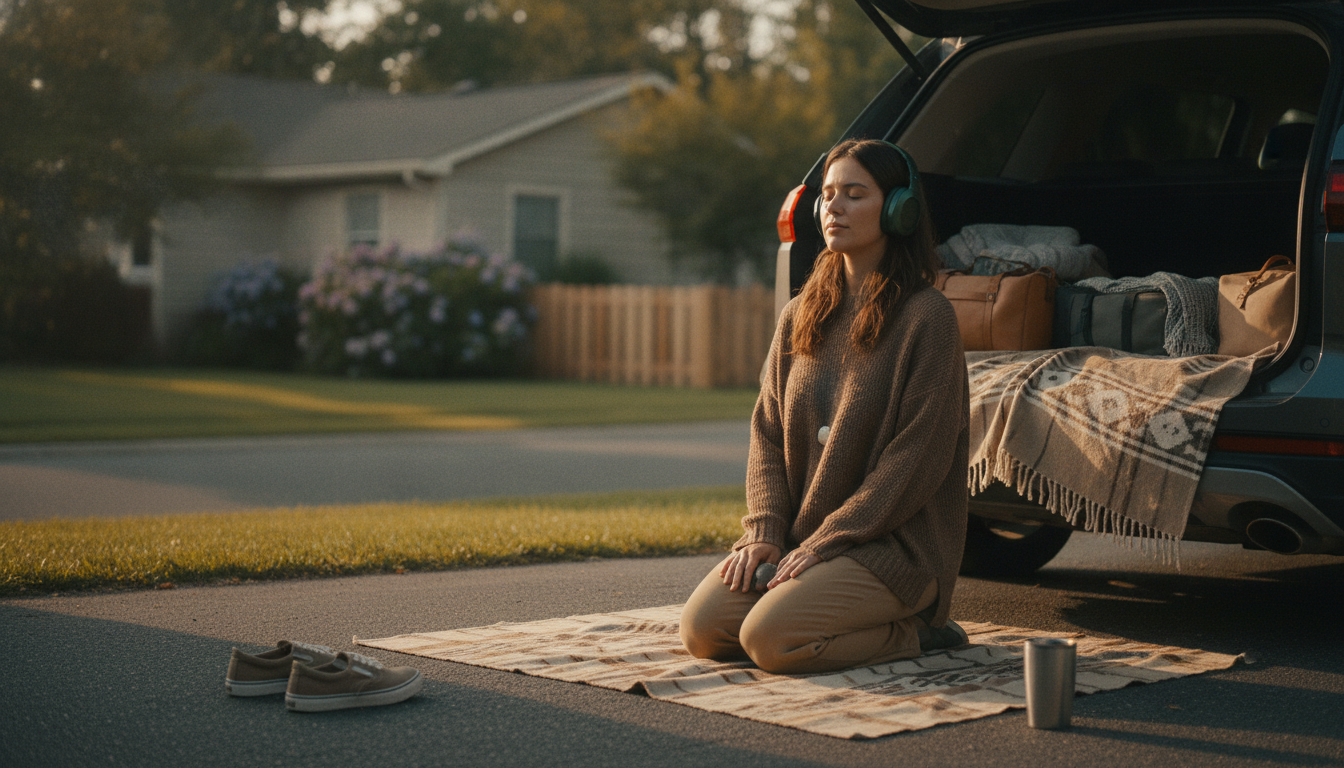
How to calm down anxiety?
Anxiety can spike fast—your heart races, your thoughts loop, and your body feels on high alert. The goal is to send your nervous system a clear signal of safety. Start with one small action you can do right now, then build from there.
Use a quick body reset (1–3 minutes)
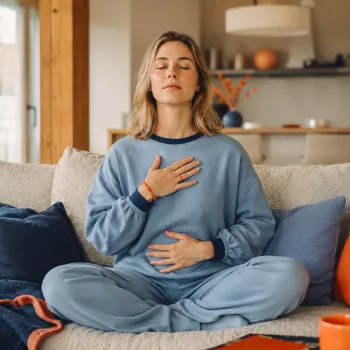
Try a steady breathing pattern: inhale through your nose for 4 seconds, hold for 2, exhale slowly for 6–8. Repeat 5–8 rounds. Longer exhales help activate the body’s calming response. If breathing feels hard, place one hand on your chest and one on your belly and aim for gentle, slower breaths rather than deep ones.
Ground your attention in the room
When your mind is spinning, anchor it to what’s concrete. Name 5 things you can see, 4 you can feel, 3 you can hear, 2 you can smell, and 1 you can taste. This shifts attention away from “what if” thoughts and back to the present moment.
Relax muscles to signal safety
Tension can keep anxiety running. Do a quick release: shrug your shoulders up toward your ears for 3 seconds, then let them drop. Unclench your jaw, press your tongue lightly to the roof of your mouth, and soften your forehead. If you can, stand up and stretch your calves, hips, and chest for 30–60 seconds.
Change the input
Reduce stimulation for a few minutes: dim screens, lower noise, and sip cool water. A short, slow walk—especially outside—often helps burn off adrenaline without escalating your heart rate too much.
When to get extra support
If anxiety is frequent, disrupting sleep, or triggering panic, talk with a healthcare professional. Immediate help is important if you feel unsafe or at risk of harming yourself.
For more step-by-step techniques and longer-term strategies, visit https://majesticdealspot.shop/how-to-calm-down-anxiety/.
FAQ
What are signs my anxiety might be turning into a panic attack?
Common signs include a sudden surge of fear, chest tightness, shortness of breath, tingling, dizziness, and a feeling of losing control. If symptoms feel severe, new, or resemble a medical emergency, seek urgent medical care.










Leave a comment