How to Calm Your Mind: Book Summary & Key Takeaways
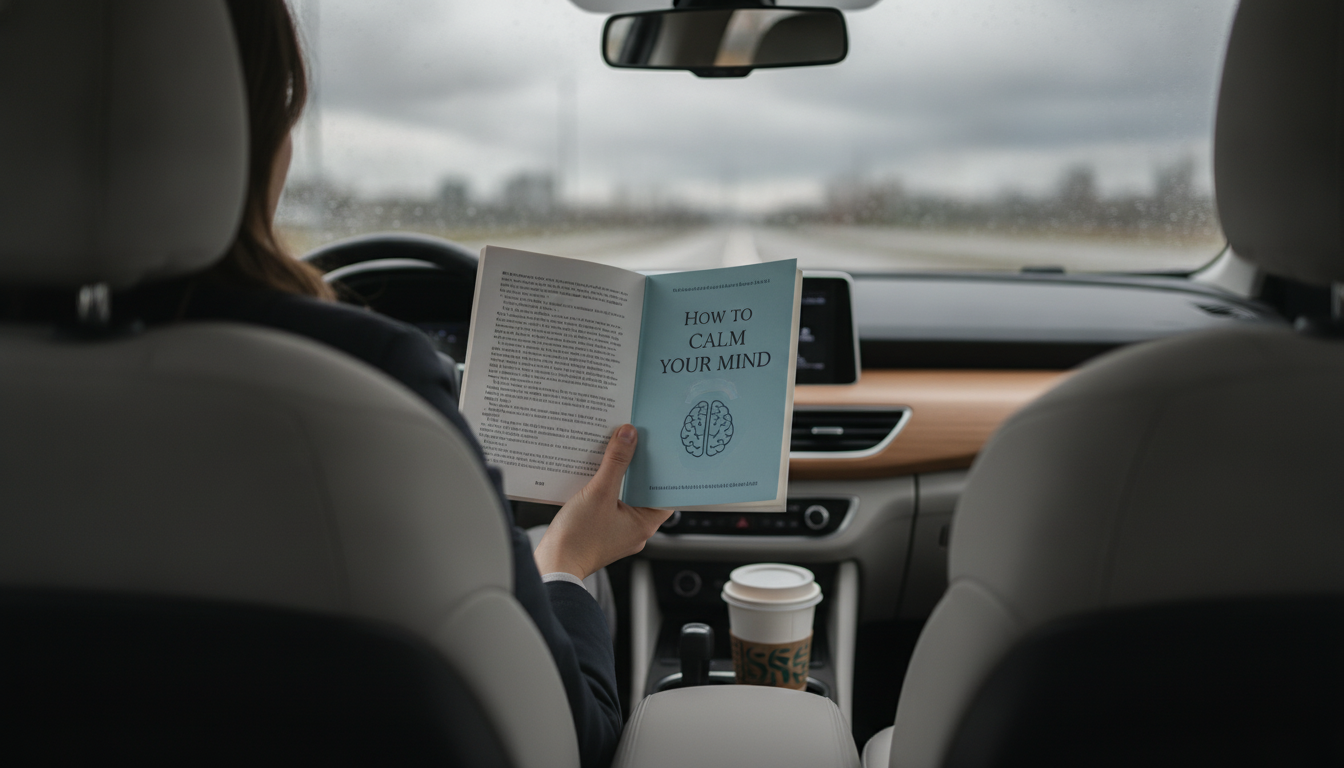
How to calm your mind book summary?
“How to Calm Your Mind” is a practical, modern guide to reducing anxiety and mental noise by changing how you relate to thoughts, sensations, and stress. Instead of chasing a perfectly quiet mind, the core message focuses on building steady habits that lower the volume of worry and help you return to calm more quickly when you get triggered.
At its heart, the book emphasizes that anxiety often grows when the brain treats every uncomfortable feeling as an emergency. By learning to notice thought patterns without immediately reacting—especially catastrophizing, rumination, and reassurance-seeking—you can interrupt the cycle that keeps stress running in the background all day.
Key ideas you’ll see throughout the book
Calm is a skill, not a mood. The book frames calmness as something you practice through repetition: small, consistent behaviors that retrain your nervous system over time.
Mindfulness without pressure. Rather than forcing your mind to “empty out,” the approach encourages gentle awareness: observe the thought, name it, and choose your next action intentionally.
Body-first regulation. Stress isn’t only mental. Techniques like breathing, grounding, movement, sleep hygiene, and reducing overstimulation help signal safety to the body, which makes clearer thinking possible.
Make anxiety smaller with structure. Simple routines—scheduled worry time, limiting compulsive checking, and setting boundaries with news and social media—reduce the constant inputs that fuel mental agitation.
Practical takeaways you can apply quickly
Readers commonly walk away with a toolkit: short breathing resets, quick grounding exercises, reframing scripts for intrusive thoughts, and a plan for reducing avoidance behaviors. The overall aim is not to eliminate stressors, but to respond to them with more stability and less spiraling.
For a deeper breakdown of the chapters and the main techniques, visit the full guide here: https://majesticdealspot.shop/how-to-calm-your-mind-book-summary/.
FAQ
What is one daily habit that helps calm an overactive mind?
A short, consistent routine—like two minutes of slow breathing followed by writing down the next single priority—can reduce mental clutter and prevent spiraling by giving your brain a clear “next step.”












Leave a comment